Everything here is written from scientific sources. If you have any doubts, check the original sources.
Your baby this week
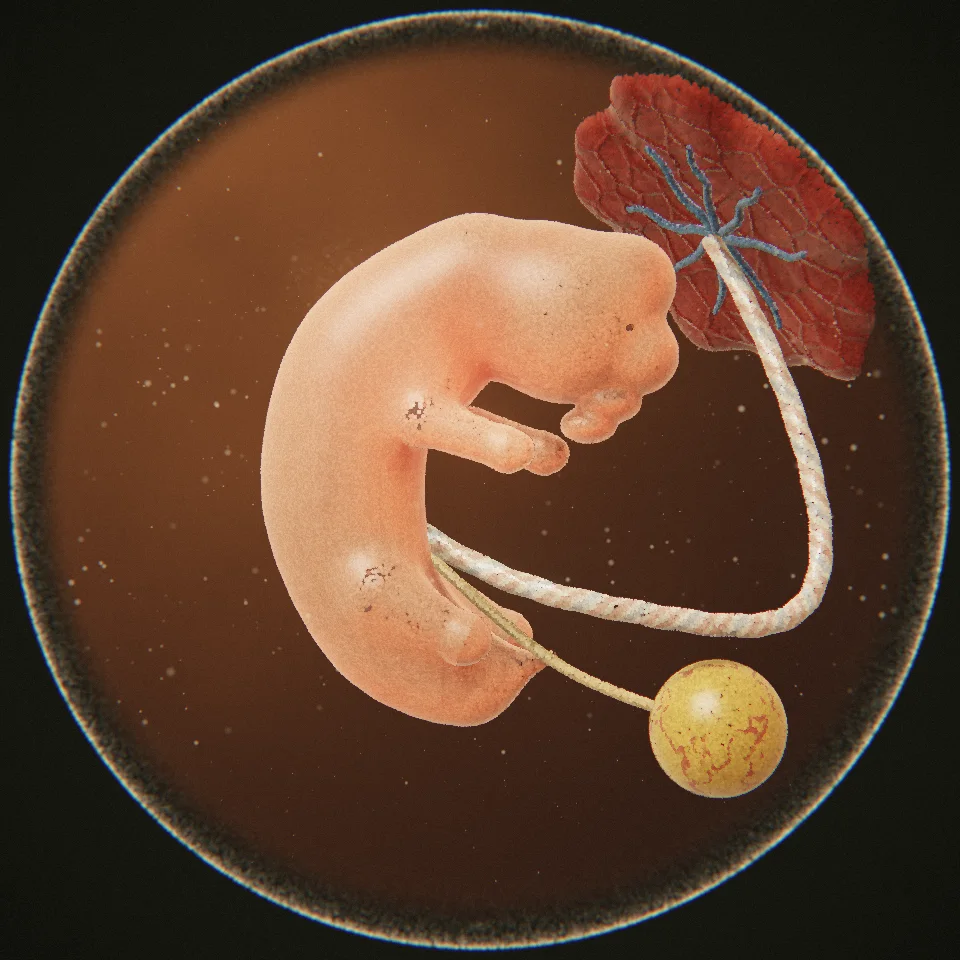
The embryo is about 6 mm long, roughly the size and shape of a pea. With the tail it still has, some say it looks like a tadpole1.
It is growing and changing very fast. The arms and legs are starting to appear as small buds, and there are little dents where the ears will be. There is a bump where the heart is and another where the head will be, and it is covered by a thin layer of see-through skin1.
There is a lot going on inside as well: the liver, brain and musculoskeletal system are forming. Everything it needs to grow comes from you1.
A vaginal scan can sometimes pick up the heartbeat already. Even so, scans are not usually offered at this stage, except in cases such as IVF1.
Your body
Nothing shows on the outside yet, but feeling tired and sick is common. Other symptoms are common too1:
- A metallic taste in your mouth and tender breasts.
- Mood swings and headaches.
- New food likes and dislikes, and a much sharper sense of smell.
- Needing to pee more often.
- A milky white vaginal discharge.
- Light spotting or cramps a bit like period pains.
- Darker patches on your face, known as chloasma.
- Bloating.
You do not need to have all of them, or any of them. Many people feel better after the first trimester, from week 121.
Health and tips
Nausea. It can come at any time, although it is often worse when you wake up. The NHS suggests1:
- Keeping something to eat on your bedside table.
- Having about 6 small meals a day.
- Resting as much as you can and drinking plenty of water.
- Trying ginger, as a tea or in biscuits, which helps some people.
Folic acid. You are advised to take 400 micrograms a day until at least week 12. It helps your baby’s nervous system form and offers some protection from conditions such as spina bifida1.
Smoking, alcohol and caffeine. Do your best to stop smoking and drinking alcohol, and go easy on tea, coffee and anything else with caffeine. Your midwife or doctor can help1.
Eating and moving. There is no need to eat for two: a varied, balanced diet with plenty of fruit and vegetables is enough. The recommendation is 150 minutes of exercise a week. If you are not active, you can start with a 10-minute brisk walk each day and listen to your body1.
Your first appointment. If you have not done so yet, now is a good time to make an appointment with a midwife or doctor. If you have a long-term condition, tell your specialist you are pregnant as soon as possible, and do not stop any regular medicine without talking to them first1.
For your partner or supporter
In the early weeks, tiredness and nausea can be intense, and some smells and tastes can make her feel sick. If you are the partner or the person supporting her, simple things help2:
- Taking over the cooking. Cooking smells can bring on nausea, and if you cook she is more likely to eat what she needs.
- Carrying the heavy shopping yourself.
- Eating healthily together and, if you smoke, getting help to stop. If you carry on, do not smoke near her.
- Going to appointments and scans whenever you can, or talking them through afterwards.
It is normal for both of you to have mixed feelings, even if the pregnancy was very much wanted. Talking about it helps2.
When to get help
Talk to your midwife or doctor if you cannot keep food down1. Light spotting can be normal, but bleeding should always be checked3.
Get urgent help if the bleeding is heavy, if you have severe tummy or shoulder pain, or if you feel dizzy or faint3.
If something worries you, even if it seems small, get advice. The same goes if you feel anxious or low: do not keep it to yourself1.
Frequently asked questions
How big is the fetus at week 6 of pregnancy?
According to the NHS, it is about 6 mm.
How can pregnancy nausea be eased?
Small frequent meals, a snack by the bed, rest and water can help. If you can't keep food down, get advice.
Can you see the heartbeat at week 6?
A vaginal scan sometimes picks it up, but one is not usually offered at this stage, except in cases such as IVF.
Sources
- National Health Service (NHS), Regne Unit. 6 weeks pregnant guide. NHS Best Start in Life.
- NHS 111 Wales. Dads and partners. 111.wales.nhs.uk.
- National Health Service (NHS), Regne Unit. Vaginal bleeding in pregnancy. nhs.uk.
- Hospital Clínic de Barcelona. Pregnancy and Childbirth: alarm signs. clinicbarcelona.org.