Everything here is written from scientific sources. If you have any doubts, check the original sources.
Your baby this week
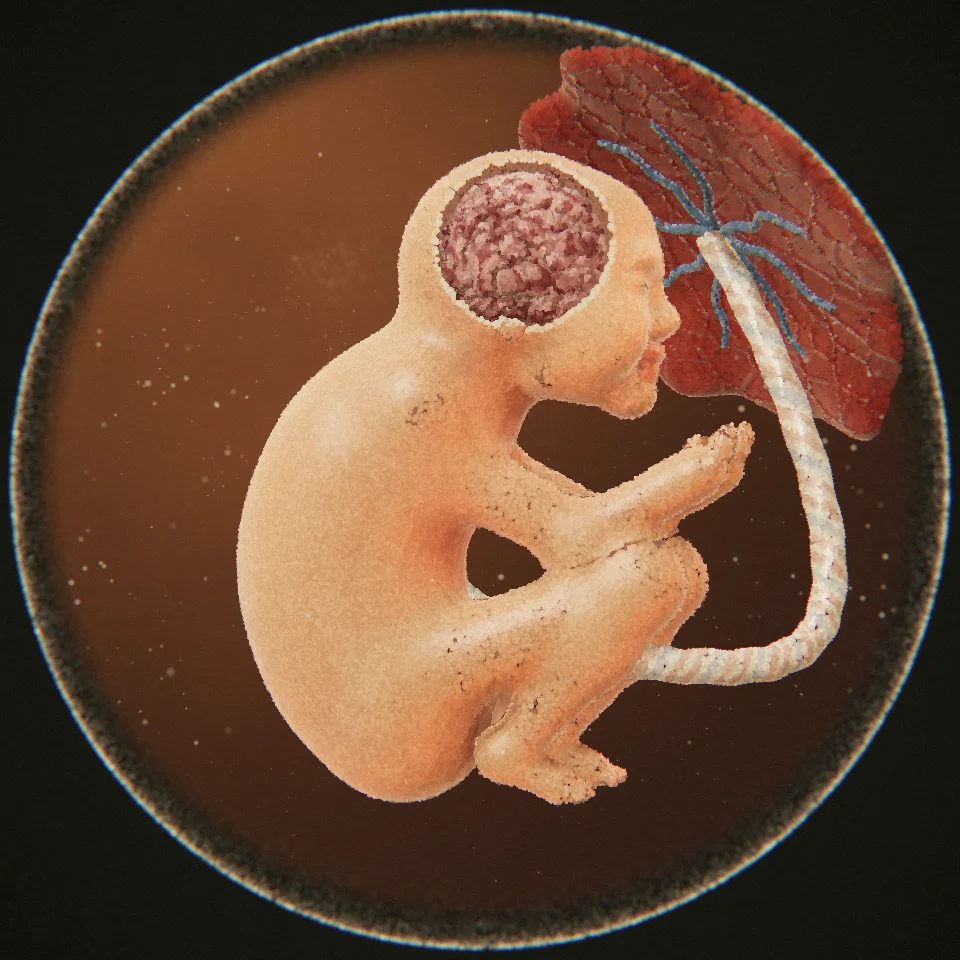
Your baby is about 39.9 cm from head to heel, roughly the size of a cabbage1. The WHO median estimated fetal weight for this week is 1,523 g2.
Their eyes can now focus, and their vision will keep developing inside and outside the womb1. After the birth, your baby will be able to focus on your face at around 20 to 25 cm, but won’t follow moving objects until about 3 months1.
Bone marrow is now making red blood cells. Around this time your baby may have some hair and, in boys, the testicles have begun to descend3.
Your body
You’re three-quarters of the way there. You may already feel ready, but you and your baby still have some growing to do over the next few weeks1.
You may be sleeping badly and, when you do sleep, having disturbing dreams. Remember they’re not real: they’re fuelled by hormones and the anxiety you may feel about the big changes ahead. Talking about them will help you put things in perspective1.
Climbing the stairs without getting out of breath is harder now, because your baby is pushing against your lungs1. These are common too1:
- Backache and pains on the sides of your bump.
- Heartburn, bloating and constipation.
- Leg cramps.
- Swollen hands and feet, feeling hot and dizziness.
- Piles and bleeding gums.
- Stretch marks and dark patches on your face.
Health and tips
Stress. If you’re feeling stressed, talk to your midwife or doctor1. Making time regularly for something you enjoy, staying active and being honest with your healthcare team about how you really feel also help4.
Understanding labour. This is a good time to read up on the stages of labour. Every birth is different, so if you’ve had children before, things could go differently this time1.
Baby clothes. If you need some, now’s the time to get a few. You won’t need many, because your baby will grow out of them very fast1.
Vaccines. The NHS advises having the whooping cough vaccine before week 33: you can have it later, but your baby is less likely to get protection from you. The RSV vaccine is usually offered around week 28 and can be given right up until labour. It lowers the risk of severe bronchiolitis, which makes it hard for babies to breathe and feed. If you haven’t had them yet, talk to your midwife1.
Eating and moving. In the third trimester you may need around 200 extra calories a day, roughly two slices of wholemeal toast. Aim for 150 minutes of exercise a week; if you’re not active, start with a 10-minute walk each day1. Regular exercise also boosts mood and improves sleep4.
Pelvic floor. Keep up the exercises. They help prevent leaks when you laugh, sneeze or cough1.
Antenatal classes. If you’re not going to any yet, ask your midwife. They’re a good place to get information, gain confidence and meet people in the same situation4.
Newborn checks. Soon after the birth you’ll be offered newborn screening tests, which help make sure your baby gets treatment if needed. Ask your midwife what they involve. Your decision will be respected1.
For your partner or supporter
Even though you’re not the one carrying the baby, the pregnancy affects you too. It’s normal to have mixed feelings, even if the pregnancy was long hoped for: a baby means new responsibilities5.
Money can be a worry. There may be less income for a while and extra costs. It can help to look at what support you’re entitled to and plan ahead5.
When it comes to sex, it’s normal for desire to change in pregnancy. There’s usually no medical reason to avoid it, but don’t have sex if there’s any bleeding or pain, and find positions where she’s comfortable. If you’re not having sex, find other ways to be close and talk about it5.
If you’re feeling low or anxious, you need support too. Talk to her, to friends or to your doctor5.
When to get help
Get urgent help if you have a severe headache that doesn’t go away with painkillers, vision problems, pain below your ribs, heartburn that doesn’t ease with antacids, or sudden swelling of your face, hands or feet. These can be signs of pre-eclampsia6.
If your skin is very itchy, especially on the palms of your hands or soles of your feet, or the itching is worse at night, get urgent help7.
Get medical advice about any vaginal bleeding1. If you notice your baby’s movements change or stop, contact your midwife or hospital8.
Frequently asked questions
How big is the fetus at week 30 of pregnancy?
According to the NHS, it is about 39.9 cm, head to heel. The WHO median estimated weight is 1,523 g.
How far can a newborn see?
A newborn can focus on a face at around 20 to 25 cm.
Is it normal to have bad dreams in pregnancy?
Yes, it's common. They're fuelled by hormones and anxiety about the changes ahead. Talking about them helps put them in perspective.
Sources
- National Health Service (NHS), Regne Unit. 30 weeks pregnant guide. NHS Best Start in Life.
- World Health Organization (Kiserud T, et al.). The World Health Organization Fetal Growth Charts: A Multinational Longitudinal Study of Ultrasound Biometric Measurements and Estimated Fetal Weight. PLoS Med 2017;14(1):e1002220.
- American College of Obstetricians and Gynecologists (ACOG). How Your Fetus Grows During Pregnancy (FAQ156). Darrera revisió: març de 2026.
- National Health Service (NHS), Regne Unit. Mental health in pregnancy. nhs.uk.
- NHS 111 Wales. Dads and partners. 111.wales.nhs.uk.
- National Health Service (NHS), Regne Unit. Pre-eclampsia. nhs.uk.
- National Health Service (NHS), Regne Unit. Itching and intrahepatic cholestasis of pregnancy. nhs.uk.
- National Health Service (NHS), Regne Unit. 29 weeks pregnant guide. NHS Best Start in Life.
- Hospital Clínic de Barcelona. Pregnancy and Childbirth: alarm signs. clinicbarcelona.org.