Everything here is written from scientific sources. If you have any doubts, check the original sources.
Your baby this week
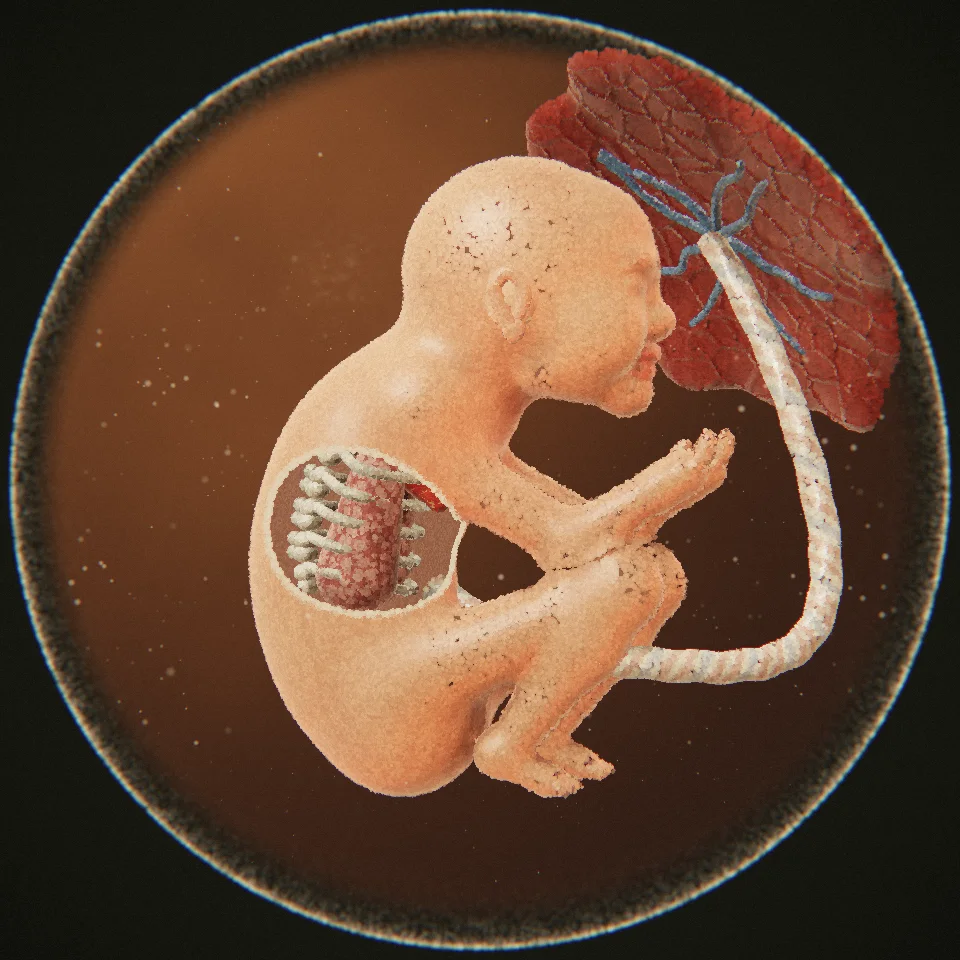
Your baby is about 34.6 cm from head to heel, like a courgette1. The WHO median estimated fetal weight for this week is 778 g2.
This is an active time. A loud noise could make your baby jump and kick. It should not hurt, but it might take you by surprise. You might even feel the occasional hiccup1.
Your baby is now peeing into the amniotic fluid, and most of the liquid around them is urine. It provides cushioning and helps keep the temperature snug and stable1.
Your body
Your face, hands and feet may start to get a bit puffy. This is probably harmless water retention, but do mention it to your midwife or doctor. They will want to check your blood pressure in case it is a sign of pre-eclampsia, a condition that can happen in the second half of pregnancy or after the birth1.
Burping a lot and feeling fuller than usual are also very common around now. After eating or drinking you may get a burning feeling in your chest, bloating or nausea. This is probably indigestion and heartburn: your growing baby is taking up some of the space where your stomach used to be1.
Other common second-trimester symptoms include tiredness and trouble sleeping, backache, constipation, leg cramps and dizziness1.
Health and tips
Indigestion and heartburn. It can help to1:
- Eat smaller meals, so you do not feel too full.
- Eat healthily and avoid rich, spicy and fatty foods.
- Cut back on drinks with caffeine, such as tea, coffee and energy drinks.
- Sit up straight when you eat.
- Give up alcohol and cigarettes.
Birth plan. Start thinking about what you would ideally like to happen when your baby is born. What kind of pain relief would you like? Who do you want with you? A birth plan template can help you think through the big decisions1.
Work. If you work, the NHS advises telling your employer by around this week so you can get maternity rights and pay1. Exact deadlines depend on the country.
If you are pregnant and single. You may be worried about money or how you will cope. It is important to talk about how you feel and ask for help if you need it. Your midwife or doctor can tell you about local support groups1.
Emotional wellbeing. If you feel anxious or low, talk to your midwife or doctor. You can also share your worries with the people close to you. Do not keep it to yourself1.
Vitamin D. From October to early March it is worth taking a 10 microgram supplement every day, because we cannot make enough from sunlight1.
Pelvic floor. Keep up the exercises. They help prevent leaks when you laugh, sneeze or cough1.
For your partner or supporter
If you plan to take leave when the baby is born, you will need to tell your own employer too1. Leave rules depend on the country, so check how it works where you are employed.
Now is a good time to talk about the birth plan together. Discuss what you both expect from labour and fill it in together, so you know what she wants and how you can help. If she changes her mind during labour, support her3.
If she seems anxious, encourage her to talk about it to her midwife, to you or to family and friends. It may take a while before she opens up. Be patient: if you learn to support each other now, your relationship will be stronger when the baby arrives3.
When to get help
Get urgent medical help if you have signs of pre-eclampsia1,4:
- A severe headache that does not go away with painkillers.
- Vision problems, such as blurred vision or flashing lights.
- Pain just below the ribs.
- Sudden swelling of your face, hands or feet.
- Heartburn that does not go away with heartburn medicines, or being sick.
- Feeling very unwell.
If you are bleeding heavily, have severe tummy or shoulder pain, or feel faint, get urgent medical help5. If the kicking slows down, talk to your midwife6.
Frequently asked questions
How big is the fetus at week 25 of pregnancy?
According to the NHS, it is about 34.6 cm, head to heel. The WHO median estimated weight is 778 g.
How can heartburn in pregnancy be eased?
Smaller meals, avoiding spicy and fatty foods, and cutting back on caffeine can help.
Is it normal to have swollen hands and feet at week 25?
It is often harmless water retention, but mention it to your midwife so they can check your blood pressure.
Sources
- National Health Service (NHS), Regne Unit. 25 weeks pregnant guide. NHS Best Start in Life.
- World Health Organization (Kiserud T, et al.). The World Health Organization Fetal Growth Charts: A Multinational Longitudinal Study of Ultrasound Biometric Measurements and Estimated Fetal Weight. PLoS Med 2017;14(1):e1002220.
- NHS 111 Wales. Dads and partners. 111.wales.nhs.uk.
- National Health Service (NHS), Regne Unit. Pre-eclampsia. nhs.uk.
- National Health Service (NHS), Regne Unit. Vaginal bleeding in pregnancy. nhs.uk.
- National Health Service (NHS), Regne Unit. 23 weeks pregnant guide. NHS Best Start in Life.
- Hospital Clínic de Barcelona. Pregnancy and Childbirth: alarm signs. clinicbarcelona.org.