Everything here is written from scientific sources. If you have any doubts, check the original sources.
Your baby this week
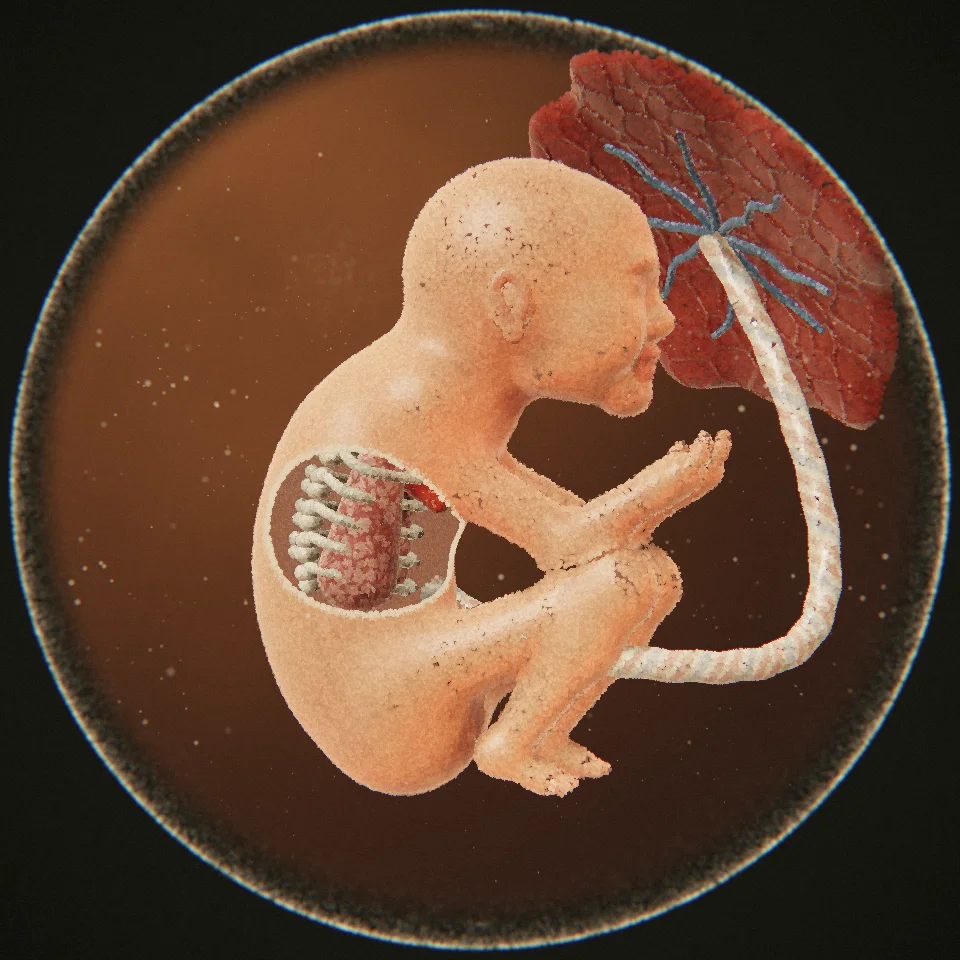
Your baby is about 30 cm from head to heel, like a corn on the cob1. The WHO median estimated fetal weight for this week is 665 g2.
Everything is now in proportion, although your baby is smaller than one who has been in the womb for longer1.
This week your baby is considered viable. It means that if they were born now, they would have a chance of surviving outside the womb with the right support. Neonatal units, which care for premature babies, help them breathe, feed, keep warm and fight infections1.
From now on you should notice your baby moving every day. To check, Hospital Clínic advises lying on your left side after a main meal and counting at least 10 movements in two hours3.
Your body
You may feel really hungry. Even so, there is no need to eat more until the third trimester, which starts at week 281.
You are likely to be putting on weight. If you can barely see your bump, do not worry: every pregnancy is different1.
Around now you may get pains around your ribs, back, breasts, bottom or stomach. This is partly because pregnancy hormones loosen your ligaments and muscles, and partly because your growing baby is pushing on different parts of your body1.
Other second-trimester symptoms are common too1:
- Tiredness and trouble sleeping.
- Stretch marks and bleeding gums.
- Heartburn, bloating and constipation.
- Leg cramps, dizziness, and swollen hands and feet.
Health and tips
Gestational diabetes screening. USPSTF recommends gestational diabetes screening from week 244. Ask your maternity team when yours is due.
Alcohol. It can be hard to give up, but alcohol goes to your baby. The risks include miscarriage, premature birth, low birth weight, and learning and behavioural problems. If you need help to stop, ask your midwife or doctor1. Try not to smoke either, and go easy on caffeine1.
Birth plan. You can start thinking about one. It sets out what you would ideally like to happen during the birth and after your baby is born. Talk it through with your partner, family, midwife or doctor1.
Contraception. It may be the last thing on your mind right now, but this is a good time to plan which method you would like to use after the birth. You could get pregnant again sooner than you think, and too short a gap between pregnancies is known to cause problems. Your midwife or doctor can help you decide1.
Moving. The recommendation is 150 minutes of exercise a week. If you are not active yet, start with a brisk 10-minute walk each day and listen to your body1.
Pelvic floor. Keep up the exercises. They help prevent leaks when you laugh, sneeze or cough1.
Whooping cough vaccine. If you have not had it yet, speak to your midwife or doctor. You can have it from week 16 to week 321.
For your partner or supporter
The birth plan is a good thing to work on together. Talk about what you both expect from labour and fill it in together, so you know what she wants and how you can help her achieve it. If she changes her mind during labour, support her. Be flexible: her health and the baby’s matter most, and sometimes birth plans have to change5.
Most partners stay with her during labour, but it is important that you are both happy with this. If you would prefer not to be there, talk about it and listen to how she feels. A friend or relative may be able to go with her instead5.
Antenatal classes for couples help too: the more you know about labour, the more you can help5.
When to get help
If you notice the kicking slowing down, talk to your midwife6. If you are in severe pain or bleeding from your vagina, call your midwife or maternity unit straight away7.
Get urgent medical help if the bleeding is heavy, if you have severe tummy or shoulder pain, or if you feel dizzy or faint8.
Get urgent medical help too if you have signs of pre-eclampsia: a severe headache that does not go away with painkillers, vision problems, pain below the ribs or sudden swelling of your face, hands or feet9.
Frequently asked questions
How big is the fetus at week 24 of pregnancy?
According to the NHS, it is about 30 cm, head to heel. The WHO median estimated weight is 665 g.
What are the risks of alcohol in pregnancy?
They include miscarriage, premature birth, low birth weight, and learning and behavioural problems.
What does it mean that the baby is viable at week 24?
That if born now, the baby would have a chance of survival with help from a neonatal unit.
Sources
- National Health Service (NHS), Regne Unit. 24 weeks pregnant guide. NHS Best Start in Life.
- World Health Organization (Kiserud T, et al.). The World Health Organization Fetal Growth Charts: A Multinational Longitudinal Study of Ultrasound Biometric Measurements and Estimated Fetal Weight. PLoS Med 2017;14(1):e1002220.
- Hospital Clínic de Barcelona. Pregnancy and Childbirth: alarm signs. clinicbarcelona.org.
- US Preventive Services Task Force. Gestational Diabetes: Screening. Recomanació, 10 d’agost de 2021.
- NHS 111 Wales. Dads and partners. 111.wales.nhs.uk.
- National Health Service (NHS), Regne Unit. 23 weeks pregnant guide. NHS Best Start in Life.
- National Health Service (NHS), Regne Unit. 22 weeks pregnant guide. NHS Best Start in Life.
- National Health Service (NHS), Regne Unit. Vaginal bleeding in pregnancy. nhs.uk.
- National Health Service (NHS), Regne Unit. Pre-eclampsia. nhs.uk.