Everything here is written from scientific sources. If you have any doubts, check the original sources.
Your baby this week
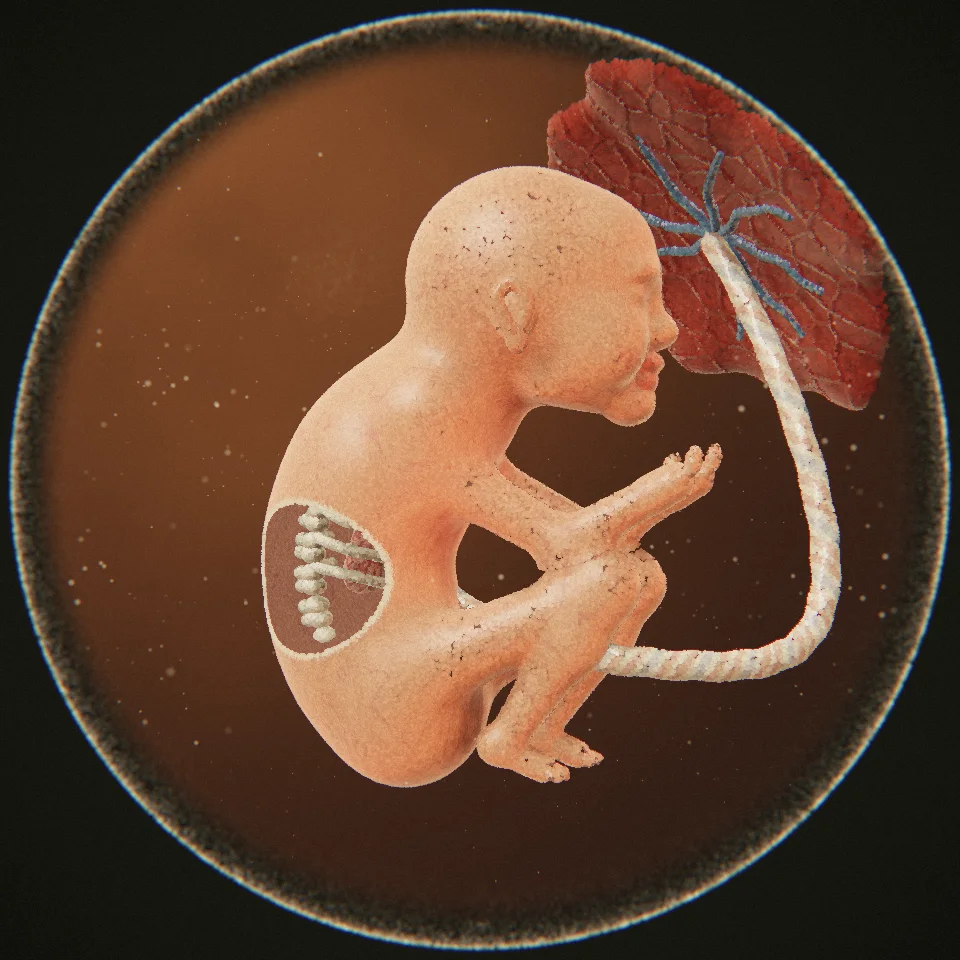
The fetus is about 15.3 cm long from head to bottom, roughly the size of a beef tomato1. The WHO median estimated fetal weight for this week is 272 g2.
Adult teeth are starting to grow, lining up behind the first set. Your baby is also putting on weight, getting ready for the birth in about 21 weeks’ time1.
Around now, ears, nose and lips can be recognised on ultrasound3.
That bubbling feeling you might put down to wind could be your baby moving. You will soon learn to recognise their movements1.
Your body
Staying active is good for you and your baby, but some exercise, such as running, may start to feel uncomfortable. This is because the hormone relaxin loosens your ligaments, leaving your back, knees and ankles without their usual support1.
Common symptoms at this stage include1:
- Tiredness and trouble sleeping.
- Stretch marks.
- Pain on the sides of your bump as your womb grows.
- Pelvic pain.
- Headaches and nosebleeds.
- Constipation, indigestion and heartburn.
- Leg cramps, dizziness and swollen hands and feet.
- Greasier skin and thicker, shinier hair.
If anything is worrying you, trust your instincts and share it with the professionals looking after you1.
Health and tips
Sleeping better. Poor sleep is frustrating. The NHS suggests1:
- Meditation and gentle stretches before bed.
- Sleeping on your side.
- Pillows to support your bump and any aching muscles.
- A pillow between your knees.
Adapting your exercise. Listen to your body and don’t push yourself too hard. If you have been running, brisk walking may feel more comfortable. Swimming is a good option, as the water takes pressure off your muscles and joints4. The recommendation is 150 minutes of moderate activity a week, but if you can’t manage that, do what you can: any activity is better than none4.
Eating. You don’t need any extra calories until the third trimester, which starts at week 28. A balanced, varied diet with plenty of fruit and vegetables is enough1.
Where to give birth. If you are still deciding, there is plenty of time. What matters is finding somewhere that meets your needs and where you feel supported1.
Looking after your mental health. Try to make regular time for something you enjoy, talk about your feelings with someone you trust, and be honest with your midwife about how you are really feeling. Regular exercise also boosts mood and improves sleep5.
Smoking, alcohol and caffeine. Try to stop smoking and drinking alcohol, and go easy on coffee, tea and other caffeinated drinks. Your midwife or doctor can help1.
For your partner or supporter
She may be the one carrying the baby, but that doesn’t mean the pregnancy has no impact on you. If you are her partner or the person supporting her, you will probably feel a whole range of emotions, whether the pregnancy was planned or not. It is normal for both of you to have mixed feelings6.
A few things that can help6:
- If money is a worry, finding out what support you may be entitled to and starting to plan ahead.
- Talking about changes in sex drive and, if you are not having sex, finding other ways to be close.
- If you find her changing body hard to adjust to, talking about it sensitively, thinking about how she may feel.
- Talking to friends who are already parents, who know what you are going through.
When to get help
If something doesn’t feel right, trust your instincts and mention it to your midwife or doctor1. Light spotting can happen, but get advice about any bleeding1.
Get urgent medical help if the bleeding is heavy, if you have severe tummy or shoulder pain, or if you feel dizzy or faint7.
If you feel anxious or low, or are worried about your mental health, talk to your midwife or doctor5.
Frequently asked questions
How big is the fetus at week 19 of pregnancy?
According to the NHS, it is about 15.3 cm, head to bottom. The WHO median estimated weight is 272 g.
How can I sleep better during pregnancy?
Sleep on your side with pillows to support your bump and one between your knees, and try gentle stretches before bed.
Do I need to eat more at week 19?
No. According to the NHS, you don't need extra calories until the third trimester, which starts at week 28.
Sources
- National Health Service (NHS), Regne Unit. 19 weeks pregnant guide. NHS Best Start in Life.
- World Health Organization (Kiserud T, et al.). The World Health Organization Fetal Growth Charts: A Multinational Longitudinal Study of Ultrasound Biometric Measurements and Estimated Fetal Weight. PLoS Med 2017;14(1):e1002220.
- American College of Obstetricians and Gynecologists (ACOG). How Your Fetus Grows During Pregnancy (FAQ156). Darrera revisió: març de 2026.
- National Health Service (NHS), Regne Unit. Exercise in pregnancy. nhs.uk.
- National Health Service (NHS), Regne Unit. Mental health in pregnancy. nhs.uk.
- NHS 111 Wales. Dads and partners. 111.wales.nhs.uk.
- National Health Service (NHS), Regne Unit. Vaginal bleeding in pregnancy. nhs.uk.
- Hospital Clínic de Barcelona. Pregnancy and Childbirth: alarm signs. clinicbarcelona.org.