Everything here is written from scientific sources. If you have any doubts, check the original sources.
Your baby this week
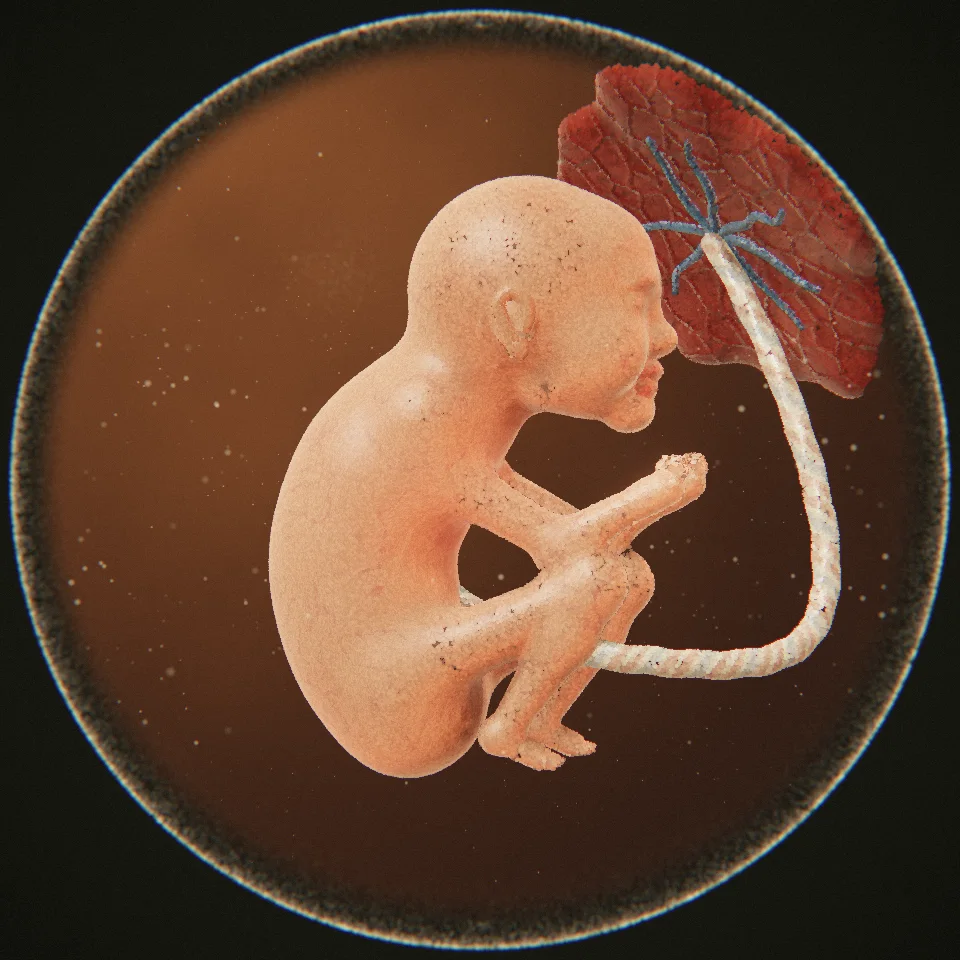
Your baby is about 11.6 cm from head to bottom, roughly the size of an avocado, and is about to have another growth spurt1. The WHO median estimated fetal weight for this week is 144 g2.
Your baby is starting to pull faces, but any smiling or frowning is completely random, as there’s no muscle control yet. The nervous system keeps developing, which lets your baby move their arms and legs. Their hands can form fists, and they may start punching around inside you. You might feel kicks from week 17 onwards1.
Around this stage bones harden and the lungs form the tissue that will exchange gases3.
Your body
You’ve probably put on some weight over the past few weeks1.
Constipation is common. It’s when you find it hard to poo, and it can make you feel bloated and sick and give you tummy ache. It can help to1:
- Eat foods high in fibre, like wholemeal bread, fruit and veg, beans and lentils.
- Exercise regularly.
- Drink lots of water.
- Avoid iron supplements, but talk to your team first: don’t stop any medication on your own.
You may also have bleeding gums, pains on the sides of your bump, nosebleeds, heartburn, leg cramps or swollen hands and feet. Every pregnancy is different: if you feel unwell and it’s getting you down, speak to your midwife or doctor1.
Health and tips
This stage’s appointment. In the UK you may see a midwife around now. They will weigh you, ask how you’re getting on, and you might hear your baby’s heartbeat for the first time. You’ll also get the results of the blood tests from your booking appointment, which usually include HIV, hepatitis B and syphilis. If an infection is found, your midwife or doctor will talk to you about protecting your health and reducing the risk of passing it on to your baby. Your blood pressure is checked and your urine tested for protein, a sign of pre-eclampsia risk1.
Carbon monoxide. You can’t see, smell or taste it, and it is dangerous. You can be exposed through cigarette smoke or faulty, poorly ventilated cooking and heating appliances. If you have a detector at home, check it works: if it doesn’t beep when you press the test button, the battery or the detector may need replacing1.
Whooping cough vaccine. Whooping cough can be very serious, and young babies are most at risk. When you have the vaccine in pregnancy, your body makes antibodies that pass to your baby and protect them until they can have their own vaccination. You usually have it at 20 weeks, but you can have it from 16 weeks, and for the best protection you should have it before 32 weeks4.
Flu vaccine. Pregnant women are more likely to have complications from flu. The vaccine makes you less likely to catch flu and, if you do, less likely to have it severely4.
Moving. Aim for 150 minutes of exercise a week. If you’re not active, start with a 10-minute brisk walk each day and listen to your body1.
For your partner or supporter
If you are the partner or the person supporting her, find out about antenatal classes for couples. The more you know about labour, the more you’ll be able to help5.
If you can, go to appointments and scans, or talk them through afterwards. And remember that the health advice applies to you too: eating well is much easier if you do it together5.
If you’re expecting twins
Between 16 and 20 weeks you should be offered a cervical length scan, which helps assess the risk of giving birth prematurely. If your cervix is short, you may be offered progesterone tablets once a day until 34 weeks. You’ll then have the anomaly scan at 20 weeks6.
With twins there is a higher risk of iron deficiency anaemia and pre-eclampsia, and around 6 in 10 twins are born before 37 weeks. That’s why it’s important to go to all your appointments6.
When to get help
Always get any bleeding checked1. Get urgent help if it is heavy, if you have severe tummy or shoulder pain, or if you feel dizzy or faint7.
If you reach 20 weeks and haven’t been offered the whooping cough vaccine, contact your midwife or GP surgery4.
If you feel anxious or low, or you’re worried about your mental health, speak to your maternity unit or GP8.
Frequently asked questions
How big is the fetus at week 16 of pregnancy?
According to the NHS, it is about 11.6 cm, head to bottom. The WHO median estimated weight is 144 g.
Where does carbon monoxide at home come from?
From cigarette smoke and faulty or poorly ventilated cooking or heating appliances.
When is the whooping cough vaccine given in pregnancy?
Usually around week 20, but you can have it from week 16. Ideally, have it before week 32.
Sources
- National Health Service (NHS), Regne Unit. 16 weeks pregnant guide. NHS Best Start in Life.
- World Health Organization (Kiserud T, et al.). The World Health Organization Fetal Growth Charts: A Multinational Longitudinal Study of Ultrasound Biometric Measurements and Estimated Fetal Weight. PLoS Med 2017;14(1):e1002220.
- American College of Obstetricians and Gynecologists (ACOG). How Your Fetus Grows During Pregnancy (FAQ156). Darrera revisió: març de 2026.
- National Health Service (NHS), Regne Unit. Vaccinations in pregnancy. nhs.uk.
- NHS 111 Wales. Dads and partners. 111.wales.nhs.uk.
- National Health Service (NHS), Regne Unit. Antenatal care with twins. nhs.uk.
- National Health Service (NHS), Regne Unit. Vaginal bleeding in pregnancy. nhs.uk.
- National Health Service (NHS), Regne Unit. Mental health in pregnancy. nhs.uk.
- Hospital Clínic de Barcelona. Pregnancy and Childbirth: alarm signs. clinicbarcelona.org.